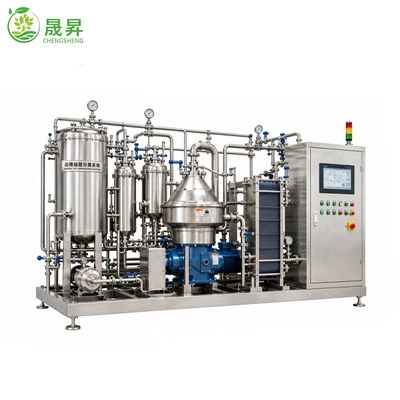
As a supplier of Animal Oil Purification Systems, I've witnessed firsthand the transition from traditional to modern purification methods in the animal oil industry. While traditional systems have been the cornerstone of the industry for decades, they come with a set of disadvantages that have spurred the development of more advanced solutions. In this blog, I'll delve into these drawbacks, drawing on my experience and industry knowledge.
1. Low Efficiency
Traditional animal oil purification systems often rely on batch processing, which means that only a limited amount of oil can be purified at a time. This slow and labor - intensive process requires operators to manually oversee each step, from heating the raw animal fat to separating impurities and finally clarifying the oil. For example, the heating phase might take several hours to achieve the right temperature for fat melting, and other separation processes like sedimentation can be equally time - consuming.
In contrast, modern Animal Oil Purification System use continuous processing technology. These systems can purify large volumes of oil without the need for constant operator intervention. They are equipped with advanced sensors and automated controls that optimize the purification process, significantly reducing processing time and increasing overall throughput.


2. High Energy Consumption
Traditional purification systems typically use large amounts of energy to heat, agitate, and separate the animal oil. The heating process, which is crucial for melting animal fat, often involves the use of fossil - fuel - powered boilers. These boilers not only contribute to high energy bills but also to environmental pollution. Additionally, the inefficient design of traditional systems means that a significant portion of the energy used is wasted as heat dissipation.
Modern systems, on the other hand, are designed with energy efficiency in mind. They use innovative heating technologies such as heat exchangers and induction heating, which can transfer heat more efficiently and use less energy. Some advanced systems also have energy - recovery mechanisms that reuse the heat generated during the purification process, further reducing energy consumption.
3. Inconsistent Product Quality
One of the most significant disadvantages of traditional animal oil purification systems is their inability to produce a consistent product. The manual nature of the process and the lack of precise controls mean that the quality of the purified oil can vary from batch to batch. Factors such as temperature variations, inconsistent mixing, and incomplete separation of impurities can all affect the final quality of the oil.
For instance, if the temperature during the heating process is not accurately controlled, it can lead to the degradation of the oil's nutritional value and cause off - flavors. Incomplete separation of impurities can also result in a higher level of contaminants in the final product, which may not meet the strict quality standards required by the food and feed industries.
In comparison, modern Animal Oil Purification System are equipped with advanced monitoring and control systems. These systems can precisely regulate temperature, pressure, and other process parameters, ensuring that each batch of purified oil meets the same high - quality standards.
4. Limited Capacity for Impurity Removal
Traditional purification methods often struggle with removing certain types of impurities from animal oil. For example, they may not be effective at removing fine particles, trace metals, or some types of organic contaminants. These impurities can have a negative impact on the quality and shelf - life of the oil, as well as its suitability for various applications.
Modern systems use a combination of advanced filtration, centrifugation, and chemical treatment methods to remove a wider range of impurities. They can effectively remove even the smallest particles and contaminants, producing a purer and more stable animal oil product. For example, some modern Animal Oil Extraction Machine are equipped with high - performance filters that can trap particles as small as a few micrometers.
5. High Maintenance and Operational Costs
Traditional animal oil purification systems are complex and require regular maintenance to keep them running smoothly. The mechanical components, such as pumps, valves, and agitators, are prone to wear and tear, and need to be replaced frequently. Additionally, the manual operation of these systems requires a significant amount of labor, which adds to the overall operational costs.
Modern systems, however, are designed with simplicity and durability in mind. They have fewer moving parts and are less likely to break down, reducing the need for frequent maintenance. Moreover, the automation of the purification process reduces the labor required, leading to lower operational costs in the long run.
6. Environmental Impact
Traditional purification systems have a significant environmental impact. The high energy consumption, as mentioned earlier, is one aspect. The disposal of waste products from the purification process is another major concern. Traditional systems often generate large amounts of solid waste, such as sediment and sludge, which can be difficult and expensive to dispose of properly. Additionally, the emissions from fossil - fuel - powered boilers contribute to air pollution.
Modern Animal Fat Rendering Equipment are designed to be more environmentally friendly. They use cleaner energy sources, such as electricity or renewable energy, and have systems in place to reduce waste generation. For example, some modern systems can recycle and reuse waste products, turning them into valuable by - products like animal feed additives.
Conclusion and Call to Action
In conclusion, while traditional animal oil purification systems have been a mainstay in the industry for a long time, their disadvantages in terms of efficiency, energy consumption, product quality, impurity removal, maintenance costs, and environmental impact are becoming increasingly apparent. As the demand for high - quality, sustainable animal oil products grows, it's essential for businesses to consider upgrading to modern Animal Oil Purification System.
If you're looking to improve your animal oil production process, enhance product quality, and reduce costs, I encourage you to explore our range of advanced purification systems. Our systems are designed to meet the highest industry standards and can be customized to fit your specific needs. Whether you're a small - scale producer or a large - industrial operation, our team of experts is ready to assist you in finding the best solution for your business.
References
- "Advances in Animal Oil Purification Technology" - Journal of Food Science and Technology
- "Sustainable Practices in the Animal Fat Rendering Industry" - International Journal of Environmental Science and Technology
Note: Remember to tailor the content according to the actual situation and accuracy of your business and industry. Also, make sure the website links are valid and relevant.